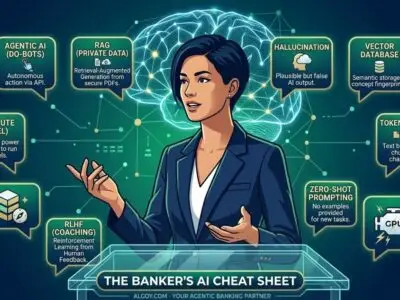

When the RBI drops a 100-page report on something as buzzy as AI, it’s easy to let it get buried in your “to-read” folder. But after digging through the FREE-AI Committee Report (Framework for Responsible and Ethical Enablement of Artificial Intelligence), it’s clear this isn’t just corporate-speak. It’s a vision for how India wants to lead the world in “banking with a conscience.”
The big takeaway? The RBI isn’t trying to stifle innovation. Instead, they’ve introduced a very Indian concept to the world of technology: The Seven Sutras.
Here is a summary of how these principles will change the modern office for finance professionals.
The Heart of the Framework: The Seven Sutras
The committee didn’t just want to copy-paste laws from the West. They wanted a framework that felt right for the Indian context—balancing our massive scale with our unique diversity. They landed on seven “Sutras” (threads/principles) that act as the moral compass for any AI being built today.
1. Trust is the Foundation
In finance, if you lose trust, you lose everything. This sutra says that AI must be reliable. It shouldn’t be a “black box” where money goes in and mysterious decisions come out. If the public doesn’t trust the machine, the system fails.
2. People First
This is a big one for those of us worried about jobs. The RBI is firm: AI is an enabler, not a replacement. Technology should serve human needs. Whether it’s a loan approval or a fraud alert, the system must prioritize human welfare and ensure a “Human-in-the-Loop” for the big decisions.
3. Innovation over Restraint
Usually, regulators are seen as the “brakes” on a car. This sutra suggests the RBI wants to be the “steering.” They want to encourage banks to experiment and push boundaries, provided they do it within a safe, supervised environment like an “AI Sandbox.”
4. Fairness and Equity
We know that algorithms can be biased. If an AI learns from old data, it might accidentally discriminate based on gender, religion, or even geography. This sutra mandates that AI must be non-discriminatory, ensuring every Indian gets a fair shake at financial services.
5. Accountability
“The algorithm made a mistake” is no longer a valid excuse. This sutra places the responsibility squarely on the shoulders of the institution. If a bank deploys an AI, the Board of Directors is answerable for what that AI does.
6. Understandable by Design (Explainability)
If an AI rejects your mortgage, you have a right to know why. This sutra requires banks to build “Explainable AI.” The logic must be simple enough for a regular person (and a regulator) to understand. No more hiding behind “complex math.”
7. Safety, Resilience, and Sustainability
AI takes a lot of computing power. This sutra reminds us that our digital systems need to be “hacker-proof” (Resilient) and “planet-friendly” (Sustainable). We need to build systems that don’t just work well today but are also efficient for the environment.
The Algoy Perspective: Why This Matters
At Algoy, we see this report as a massive green light. For years, the “Wild West” of AI made traditional bankers nervous. But with these Seven Sutras, we finally have the “Rules of the Road.”
We’re moving into an era where Trust is the New Alpha. The banks and FinTechs that win won’t be the ones with the flashiest code; they’ll be the ones that can prove their AI is fair, explainable, and accountable.
Further Reading & Sources
If you want to see the original “Rulebook” or how the industry is reacting, check out these links:
-
The Full Report: RBI FREE-AI Committee Framework (Official PDF)
-
RBI Press Release: Statement on Developmental and Regulatory Policies